

Launch
Operations and Process
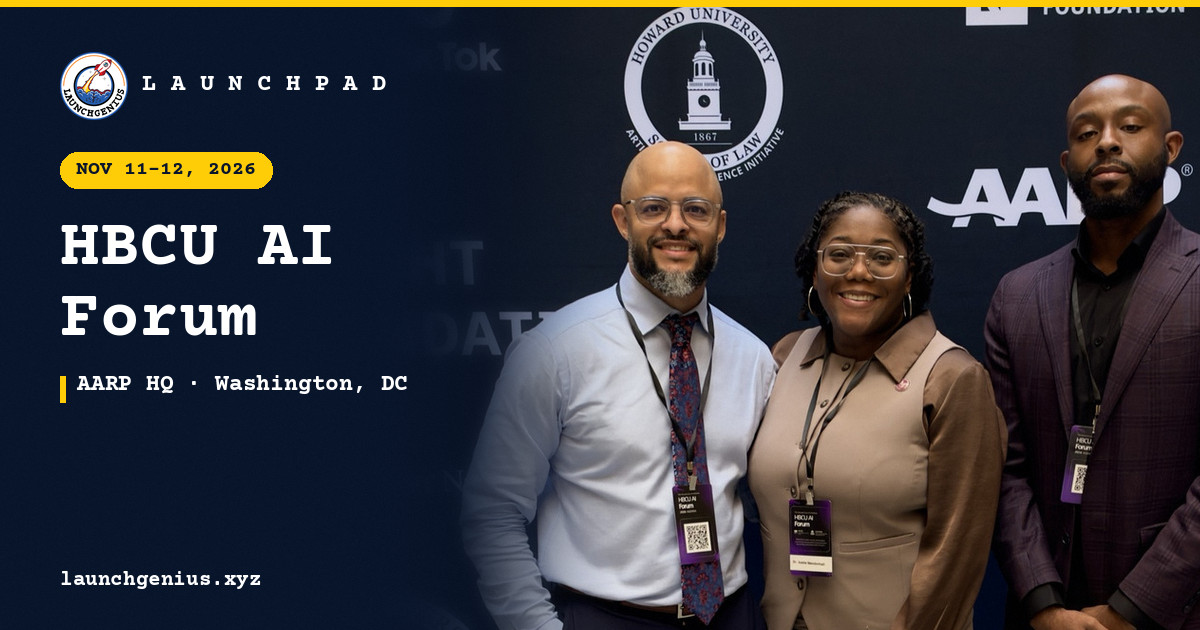

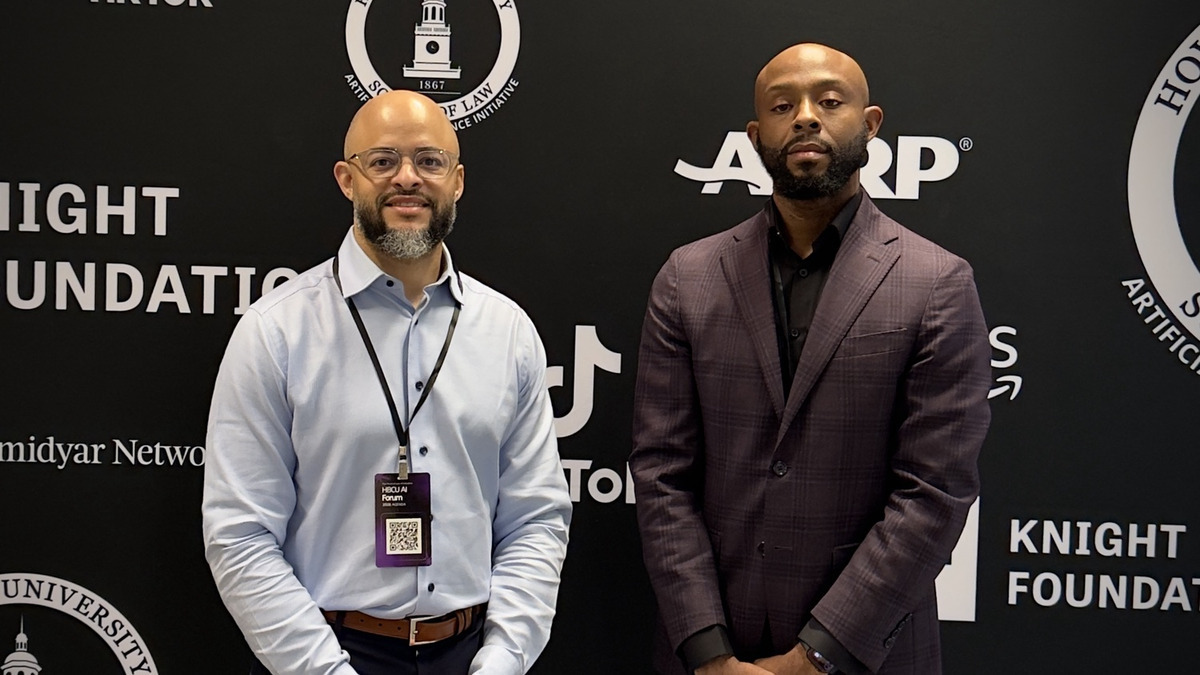
The pace of change today is the slowest it will ever be. That line stayed with me from the HBCU AI Forum on November 11 and 12 at AARP Headquarters in Washington, DC, a project of the Howard Law AI Initiative at Howard University School of Law.
Officially, it set out to move from conversation to commitment: a shared, investible action plan across curriculum and faculty support, data sovereignty, shared infrastructure, and governance, ethics, and accountability, so HBCUs and the communities they serve are owners and architects of the AI future, not simply subjects of it. The tools are already in classrooms and offices, and if HBCUs are not in a position to set terms, train their people, and protect their data, they risk having those terms set for them.
Who sits at the table is who identifies what the problems are. In practice, put students, faculty, IT, legal, and community voices on the AI governance committee from the start, not only at review. The problems I noted were how to separate the data from the model, what alignment actually requires, and how academia prepares students for this age, including how professors teach their disciplines.
Separate the data from the model. Keep institutional and student data in systems the institution controls, check contracts for whether your data trains the vendor’s models (plus retention and deletion terms), and prefer tools that pull from your own documents rather than absorbing them.
Write down what alignment requires. State what the institution values and what the tool must never do (never invent a source, never train on student work, never make a high-stakes decision without a person), test it against real cases before rollout, and name a human owner for each tool.
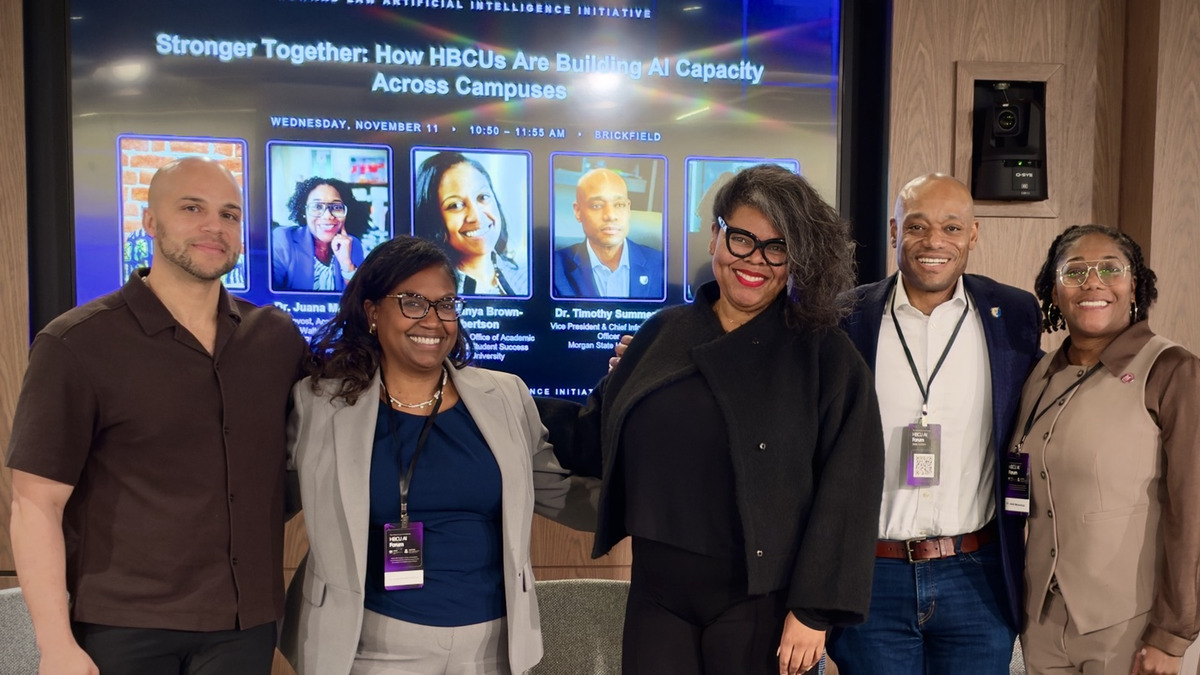
I learned a great deal from leaders in the Stronger Together conversation: Dr. Kweli Zukeri of Howard, Dr. LaTanya Brown-Robertson of Howard, Dr. Jamika D. Burge of Spelman College, Dr. Timothy Summers of Morgan State University, and Dr. Juana Mendenhall of Morehouse College. This work is about faculty, infrastructure, governance, and the people who have to live with the decisions, not dabbling in new software.
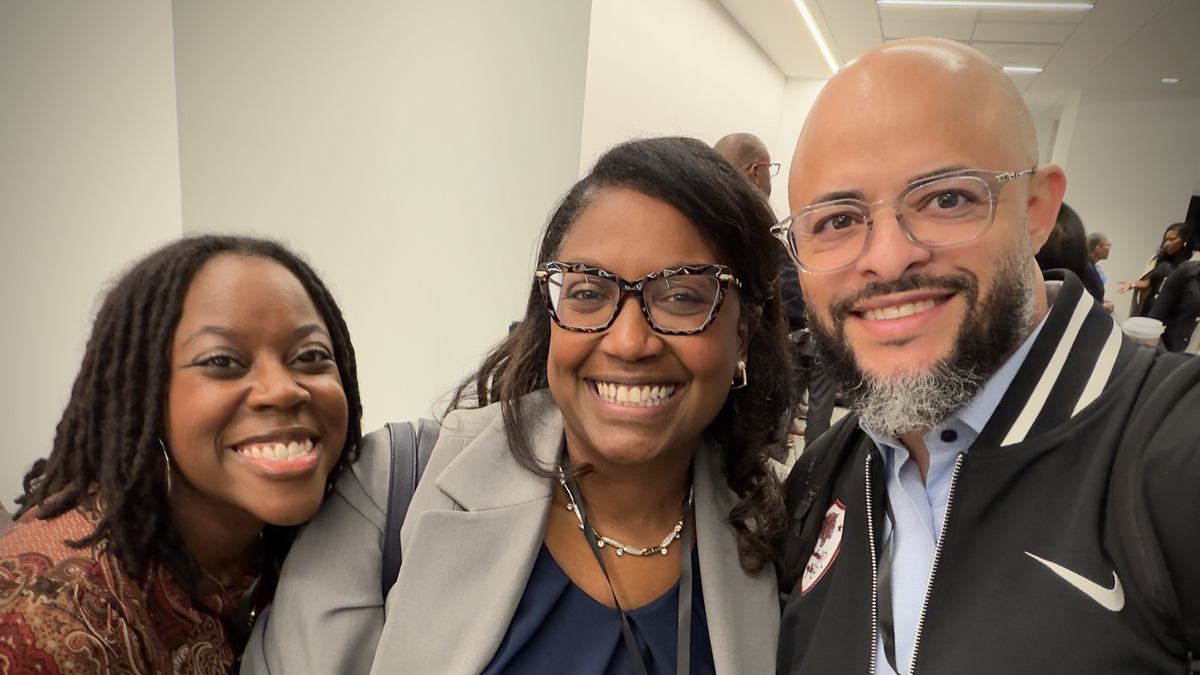
I also heard a conversation with Dr. Kamau Bobb, founding Senior Director of the Constellations Center for Education in Computing at Georgia Tech and author of The Bullwhip’s Algorithm: Artificial Intelligence and America’s Racial Caste System (Beacon Press), and Dr. Allison Scott, CEO of the Kapor Foundation. I left with a reminder: the tools we adopt are not neutral infrastructure. I was glad to connect with Erica P. Middleton, Project Director of ASCEND-AI at Howard, and with Dr. Brown-Robertson, who leads that office, as well as with Dr. Mendenhall and Cameron Shaw, MPA, an AI researcher and higher education strategist, a 2026–2027 IAIER Emerging Scholar at North Carolina Central University, and a speaker on what the AI era requires of HBCUs from the students’ perspective.

The point is to help people think, not to finish the work for them.
Grade on the ability to prompt. Add prompting to the rubric (clarity, context, iteration, and checking the output), and have students submit the prompt plus a short reflection on what they changed and why.
Use AI as a Socratic coach. A starting sample: “Don’t give me the answer. Ask me one question at a time until I can explain [the concept] myself.” Faculty can publish approved coach prompts for each course.
Use AI as a tutor, with guardrails. Use it for practice problems and explanations, with instructions to check answers against the course material, cite sources, and say when it is unsure. Office hours still matter.
Rebuild one assignment for the class of the future. Turn one assignment into an oral defense, a process portfolio, or a prompt-and-reflection package.
Pool resources. A consortium can share licensing, compute, policy templates, faculty training cohorts, and datasets with clear sovereignty terms: who owns the data, where it lives, and what it cannot be used to train.
Train the people who will use the tools. Start with a few safe, approved use cases, such as drafting or summarizing, and a do-and-don’t list: don’t paste student records into a public tool, don’t send a draft out without review, and do use only the approved system.
Keep a source of truth. Keep one maintained place for policies, data definitions, and approved tools, so AI answers draw from correct information.
The AI Civil Rights Act came up as a Day 2 topic. Track it, and review your tools against fairness and transparency expectations.
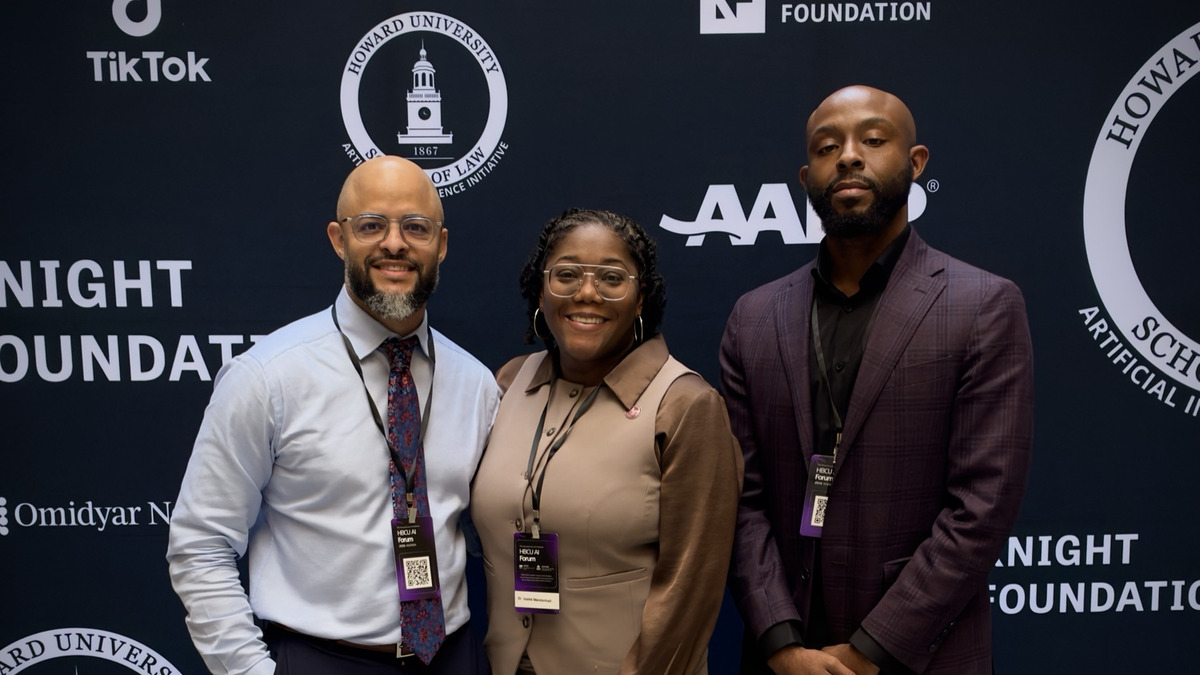
Thank you to the Howard Law AI Initiative, Howard University School of Law, and AARP for hosting, and to Knight Foundation, Omidyar Network, TikTok, and Amazon for sponsoring. HBCUs should be architects of this future, not subjects of it.
The public agenda is at aequitaiforum.org. I write about this work on LaunchPad, at LaunchGenius: launchgenius.xyz.
New guides on launching, operating, and growing your business, sent when they publish.
Unsubscribe anytime.